Why was the US government obsessed with this animal? - Andrew C. Isenberg
356,104 Views
3,658 Questions Answered
Let’s Begin…
By the mid-1700s, many Plains nations survived on North America’s largest land mammals: bison. They ate its meat, made the hides into winter coats and blankets, and used the bones and horns for tools. But in the following decades, millions of bison would be deliberately slaughtered, threatening the survival of Plains societies. Andrew C. Isenberg shares what led to the animal's near-extinction.
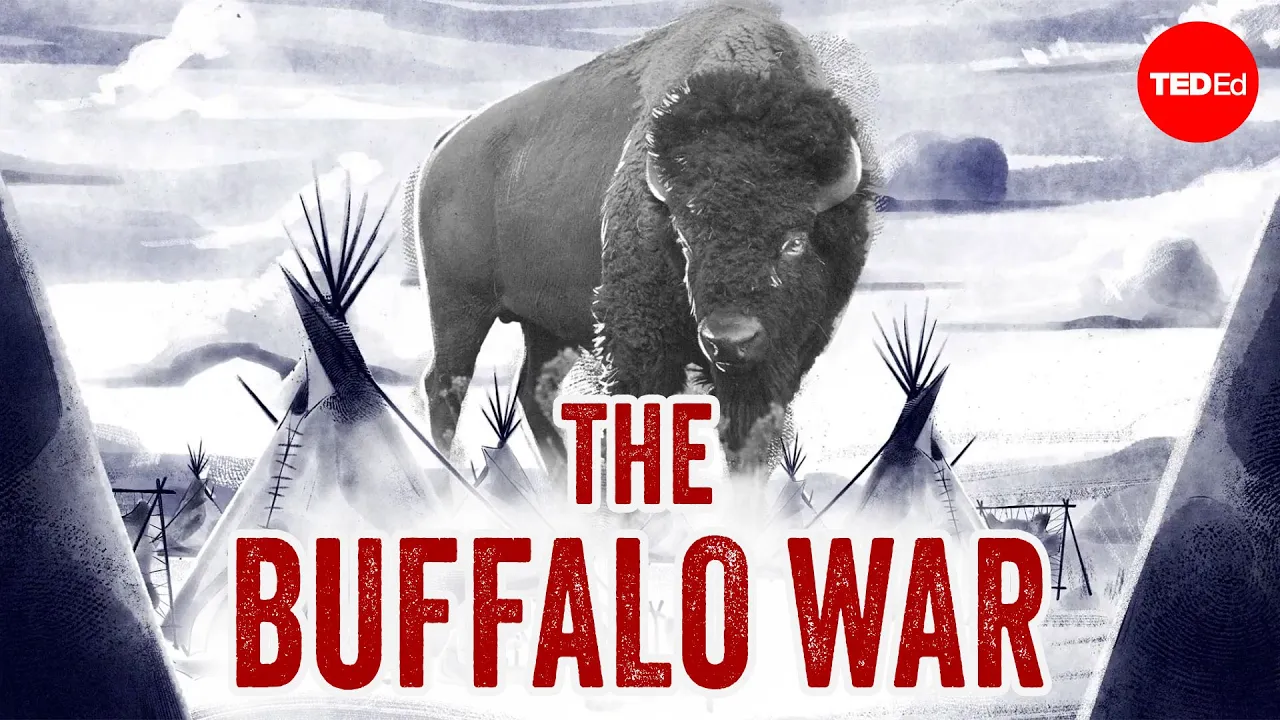
This video can't load.
Your network might block YouTube, for example at school. Ask your teacher or an administrator for help, or watch the video at home.
Watch on YouTubeCreate and share a new lesson based on this one.
Additional Resources for you to Explore
Many of the lessons we draw from the past depend on when we decide to begin and end our narratives. In the case of the bison, if we end with the story with the bison’s near-extinction at the end of the nineteenth century, the tale is grim. If, however, we continue the story into the twenty-first century, we find a more positive ending: Indigenous people in the Great Plains working to restore the bison to its natural habitat. This short film tells the story.
About TED-Ed Animations
TED-Ed Animations feature the words and ideas of educators brought to life by professional animators. Are you an educator or animator interested in creating a TED-Ed Animation? Nominate yourself here »
Meet The Creators
- Educator
- Andrew C. Isenberg
- Director
- Rémi Cans
- Narrator
- Addison Anderson
- Storyboard Artist
- Rémi Cans
- Animator
- Dabid Pascual


