What is hysteria, and why were so many women diagnosed with it? - Mark S. Micale
585,717 Views
2,736 Questions Answered
Let’s Begin…
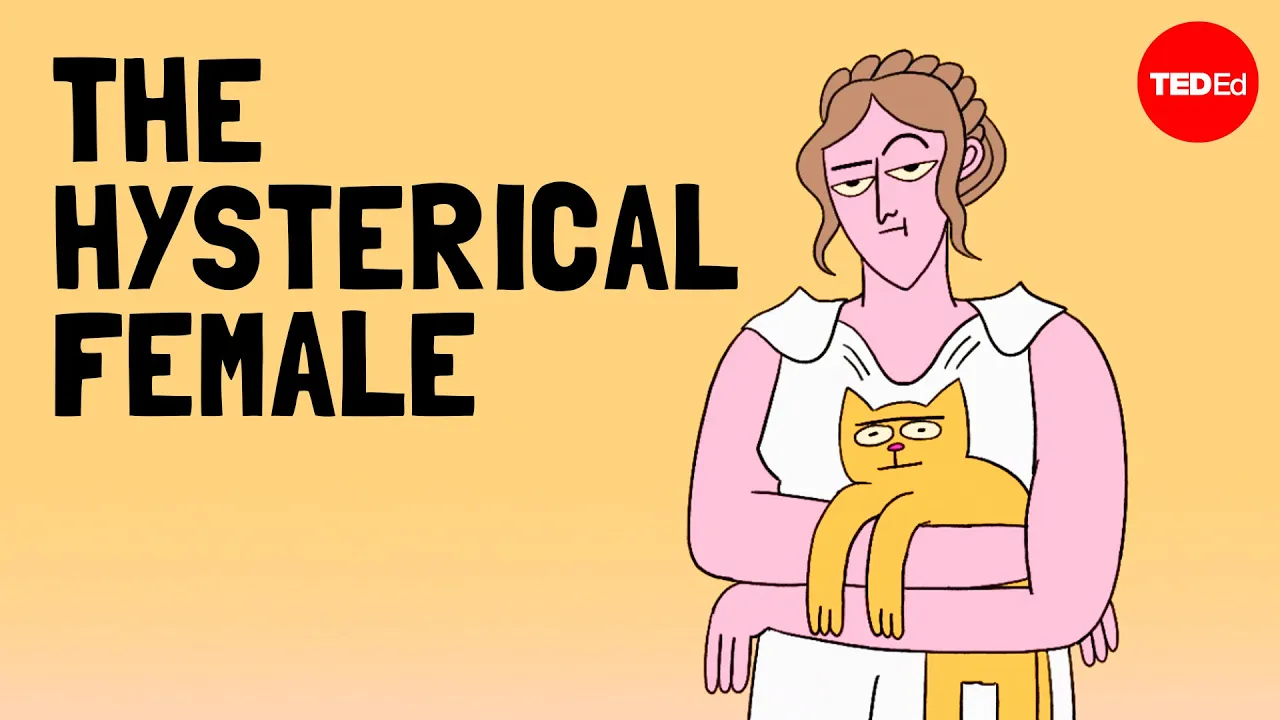
Do you ever feel tired? Overwhelmed? Depressed? Do you have headaches, dizziness, cramps, difficulty breathing? From 300 BCE to the 1900s, if you answered yes to any of these questions and you had a uterus, a doctor would likely diagnose you with hysteria. So, where did this medical diagnosis come from? And why did it persist for so long? Mark S. Micale traces the history of the catch-all term.
This video can't load.
Your network might block YouTube, for example at school. Ask your teacher or an administrator for help, or watch the video at home.
Watch on YouTubeCreate and share a new lesson based on this one.
Additional Resources for you to Explore
The video lesson states that hysteria through history was in part a "label that male doctors sometimes placed on women whose behavior they found strange, difficult, or contemptible." But the record of history also illustrates times and places when adult men suffered from the identical symptoms diagnosed as hysteria in women. The outstanding instance of this phenomenon took place during the First World War (1914-1918) in Europe. During that violent four year conflict, when the armed forces of the combatant countries were composed exclusively of men, large numbers of soldiers broke down psychologically. They experienced symptoms such as contractures, convulsions, loss of voice, loss of memory, and extreme nervousness. As the video reports, the official name that wartime doctors assigned to these cases was "shell shock."
To learn more about this intriguing episode in the history of medicine, watch this one-hour documentary, which includes some amazing images and film footage. You can actually hear the voices of shell shocked soldier-victims in this video. Unsurprisingly, in recent years filmmakers have also depicted the shell shock phenomenon in movies about the First World War. The most compelling of these is Behind the Lines, which raises questions about medicine and masculinity. Another excellent source is Elaine Showalter's 1990 book The Female Malady, which gives a feminist interpretation of shell shock.
About TED-Ed Animations
TED-Ed Animations feature the words and ideas of educators brought to life by professional animators. Are you an educator or animator interested in creating a TED-Ed Animation? Nominate yourself here »
Meet The Creators
- Educator
- Mark S. Micale
- Director
- Laura Jayne Hodkin
- Narrator
- Bethany Cutmore-Scott
- Music
- Phil Brookes
- Sound Designer
- Phil Brookes


