How will AI change the world?
2,316,961 Views
23,291 Questions Answered
TEDEd Animation
Let’s Begin…
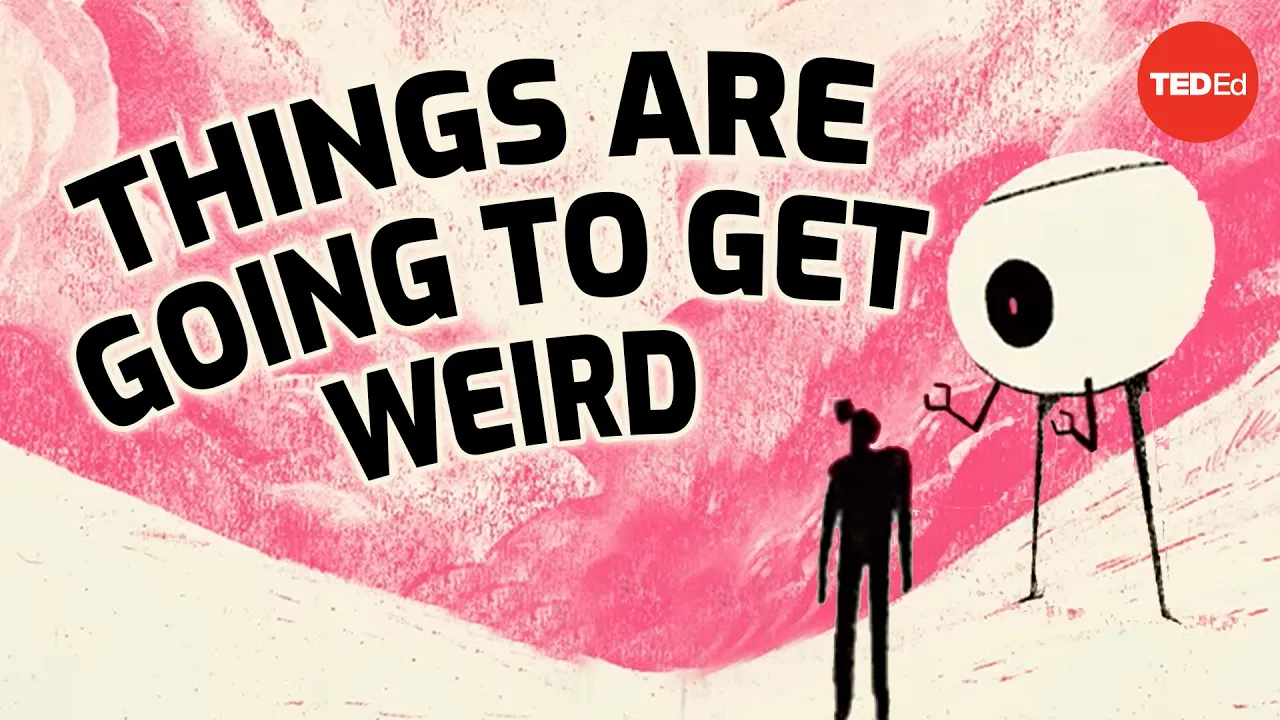
In the coming years, artificial intelligence is probably going to change your life— and likely the entire world. But people have a hard time agreeing on exactly how AI will affect our society. Can we build AI systems that help us fix the world? Or are we doomed to a robotic takeover? Explore the limitations of artificial intelligence and the possibility of creating human-compatible technology.
This video can't load.
Your network might block YouTube, for example at school. Ask your teacher or an administrator for help, or watch the video at home.
Watch on YouTubeCreate and share a new lesson based on this one.
Additional Resources for you to Explore
If you're fascinated by AI, and curious about how it works, its benefits, and potential drawbacks, check out this compilation of AI articles curated by Vox.
Stuart Russell, Professor of AI at Berkeley, explains why AI technology is inherently good or evil but depends on how humans use it and regulate it. He explains why he's skeptical of the scene of the dystopic narrative in movies about a malevolent AI becoming conscious and dominating the human race. He does say that the most significant danger is poorly designed AI, and he goes into some ways we might avoid the worst outcomes. For a more in-depth look at the promises and perils of AI, check out the transcript of Russel's interview.
Finally, the World Economic Forum provided a report and overview of the consequences of AI on the nature of work in "Positive AI Economic Futures." In the report, experts go over the potential disruptions and dangers of AI -- increased inequality or denying people a sense of fulfillment -- and how engineers, economists, CEOs, and politicians are working to leverage AI as a force for good.
About TED-Ed Animations
TED-Ed Animations feature the words and ideas of educators brought to life by professional animators. Are you an educator or animator interested in creating a TED-Ed Animation? Nominate yourself here »
Meet The Creators
- Director
- Christoph Sarow, AIM Creative Studios
- Narrator
- Stuart Russell, George Zaidan
- Storyboard Artist
- Christoph Sarow
- Animator
- Christoph Sarow, André Cunha, Rúben Dantas, Ana Farinha, Daniela Carvalho
- Illustrator
- Christoph Sarow