Five lessons learned from zombies
By Stephanie Lo on October 30, 2013 in News + Updates
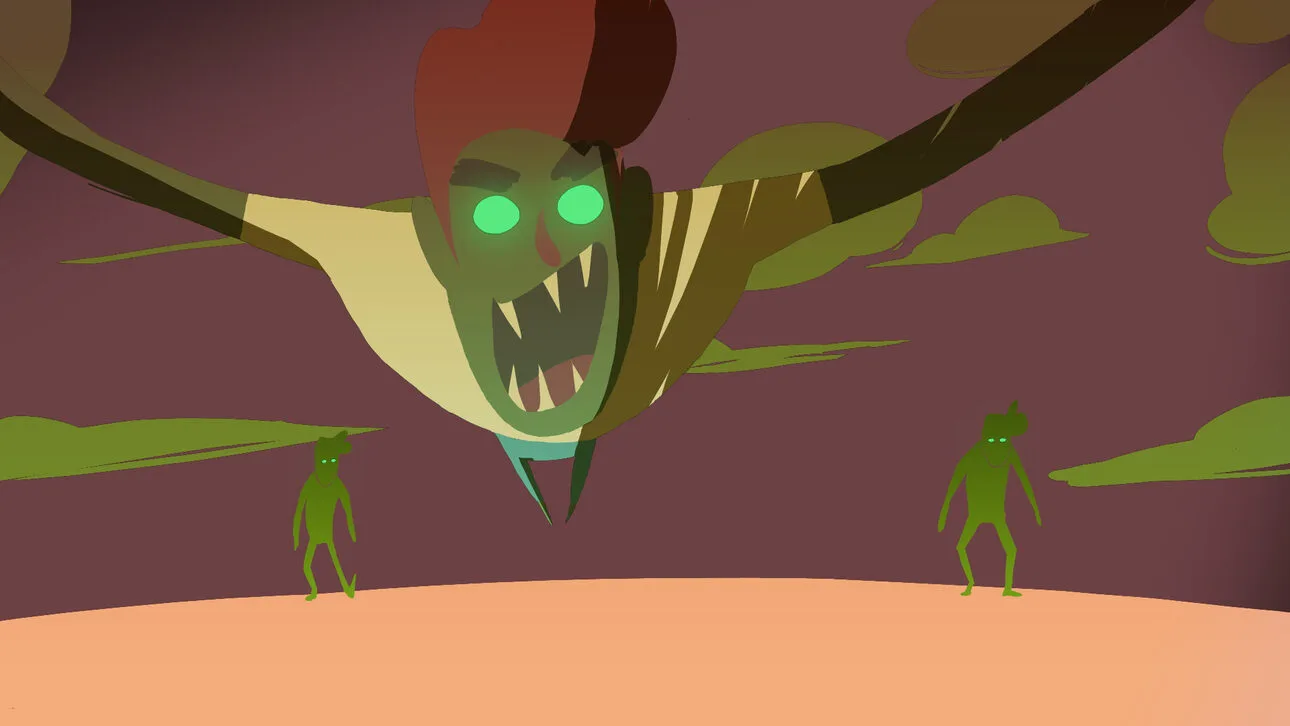
From global folklore to contemporary characters in horror films and television shows, zombies have a long history of cultural relevance that continues to be a major topic of conversation today. TED-Ed takes a look at five lessons that zombies have taught us.
1. If there was a zombie apocalypse, where would you go and how would you know where to go? David Hunter explains how geography skills can show us the way in this TED-Ed Lesson.
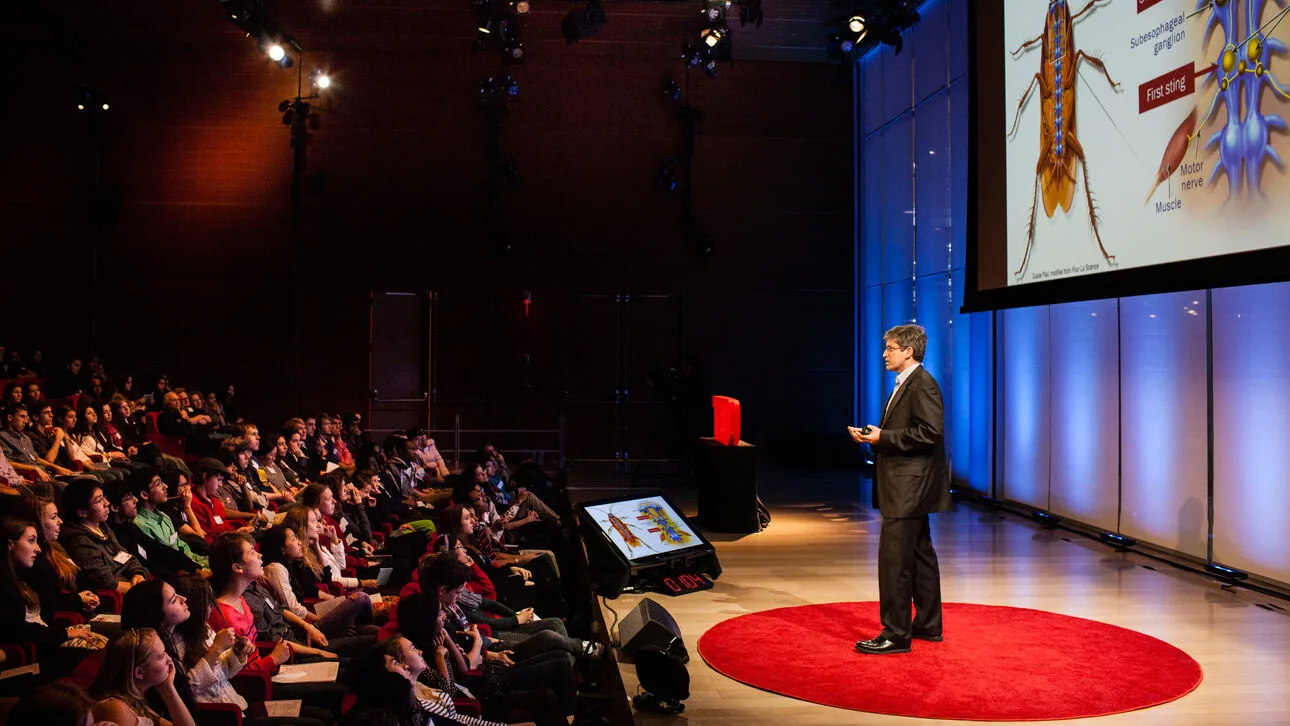
2. Sometimes, reality is stranger (or, in this case, scarier) than fiction. Carl Zimmer‘s narrative of the jewel wasp’s relationship with a cockroach and the real zombie-like response of the cockroach leaves little to the imagination.
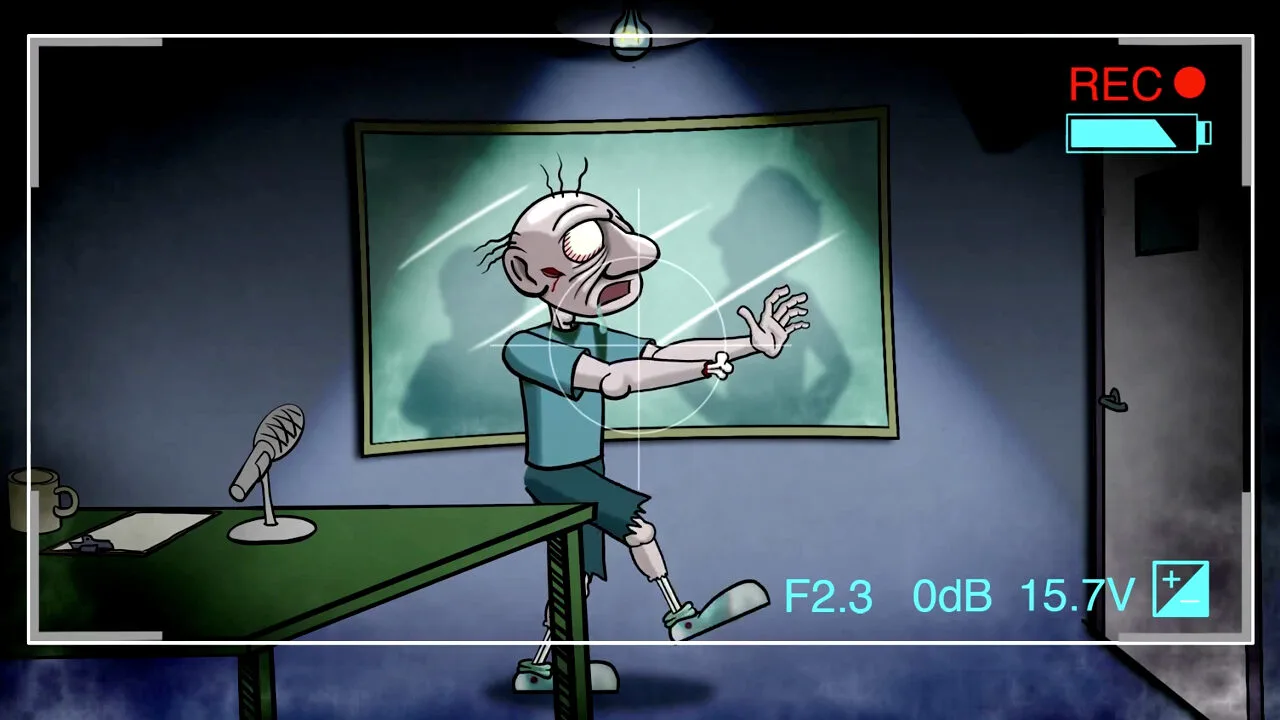
3. What is happening in a zombie’s brain to make them move so erratically? Tim Verstynen and Bradley Voytek figure out how brain functions lead to irregular body movements.
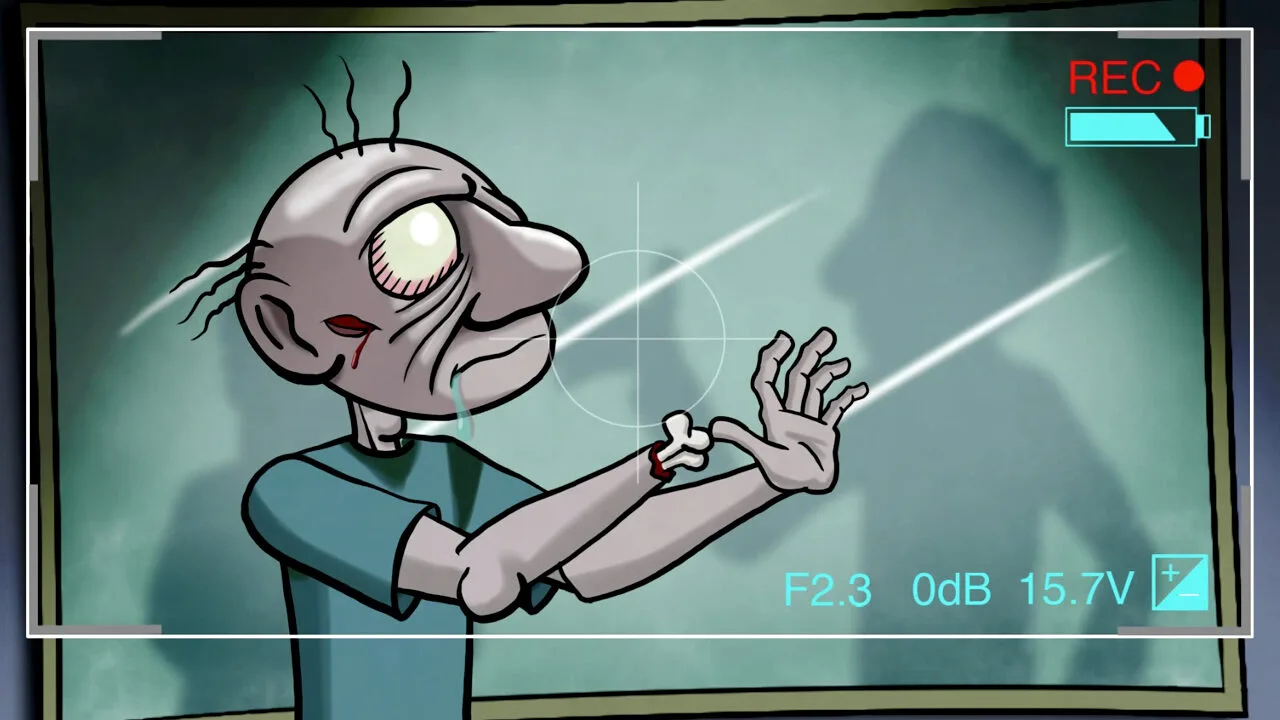
4. Are zombies really angry? Or do zombies just have a bad reputation? In the second video of this two-part series, Tim Verstynen and Bradley Voytek recommend observing zombies to see how different brain stimulations cause varying behaviors.
5. How can nominalizations muddle strong writing? Helen Sword warns against ”zombie nouns” in order to write concise prose.